BUILDING INNOVATION CENTER
INITIATIVE
CRTC’s initiative was to create a facility that transforms underutilized materials into high-value products. In addition to recycling aerospace-grade carbon fiber, CRTC expanded its mission to include a second underutilized resource: Coastal Western Hemlock.
Coastal Western Hemlock spans more than 30,000 acres of tribal land in Neah Bay, Washington. Historically, it has been overlooked as a building material due to its high moisture content. Through thermal modification, the wood is carefully dried and transformed into a durable, high-performance building material suitable for modern construction.
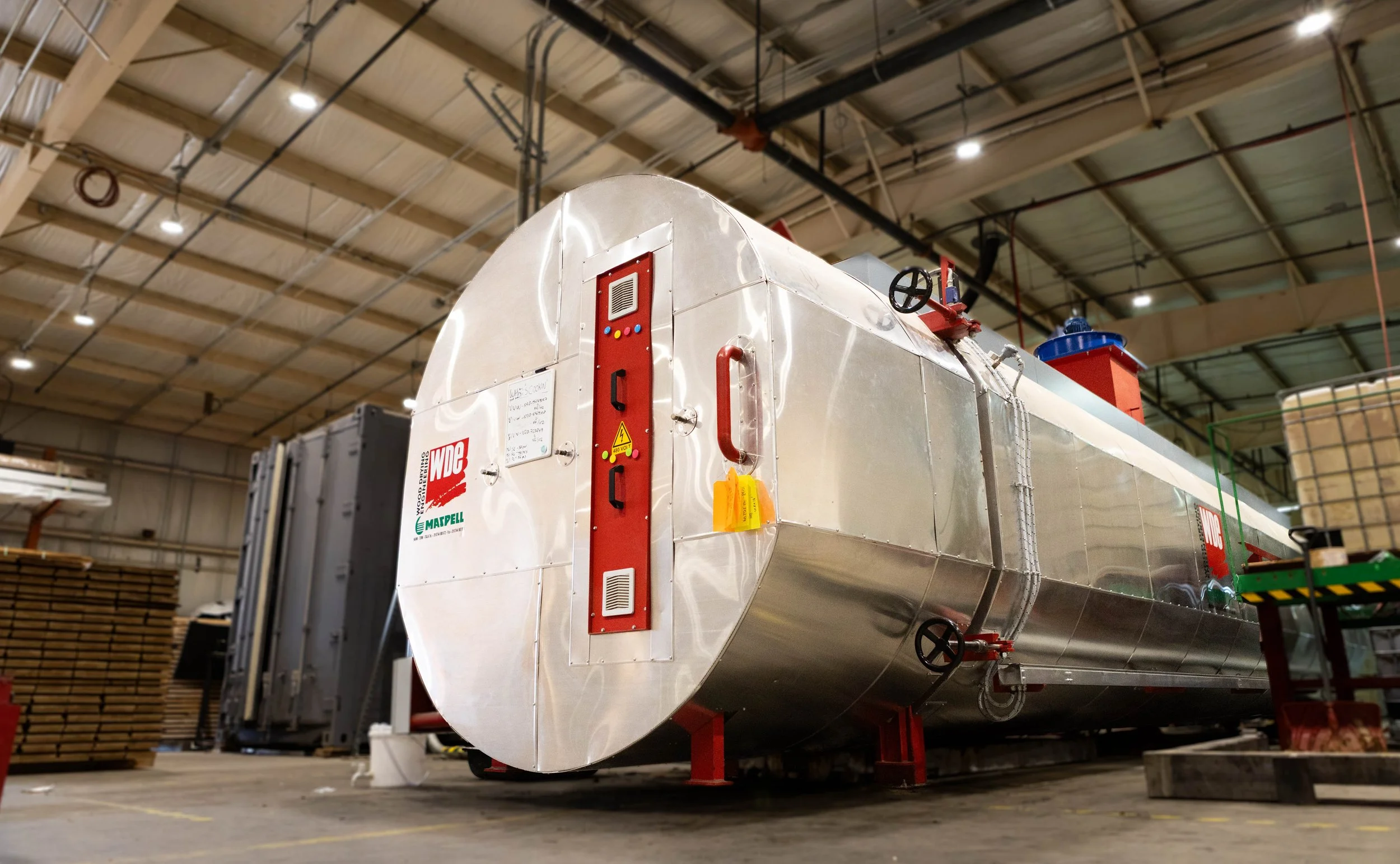
THERMAL MODIFICATION
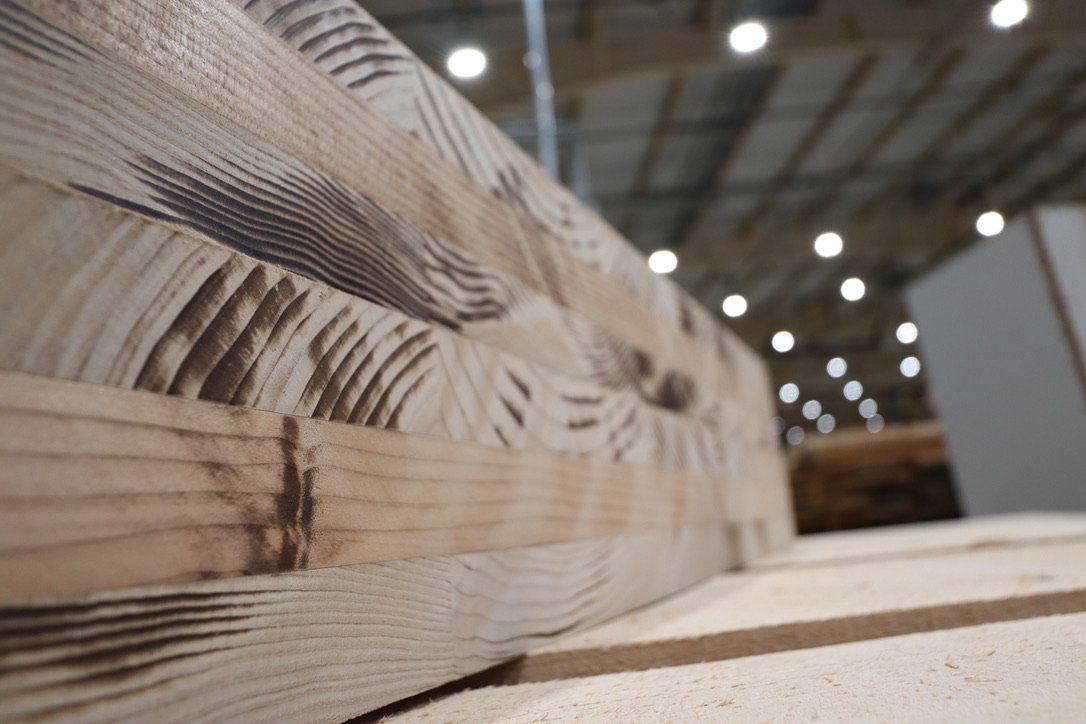
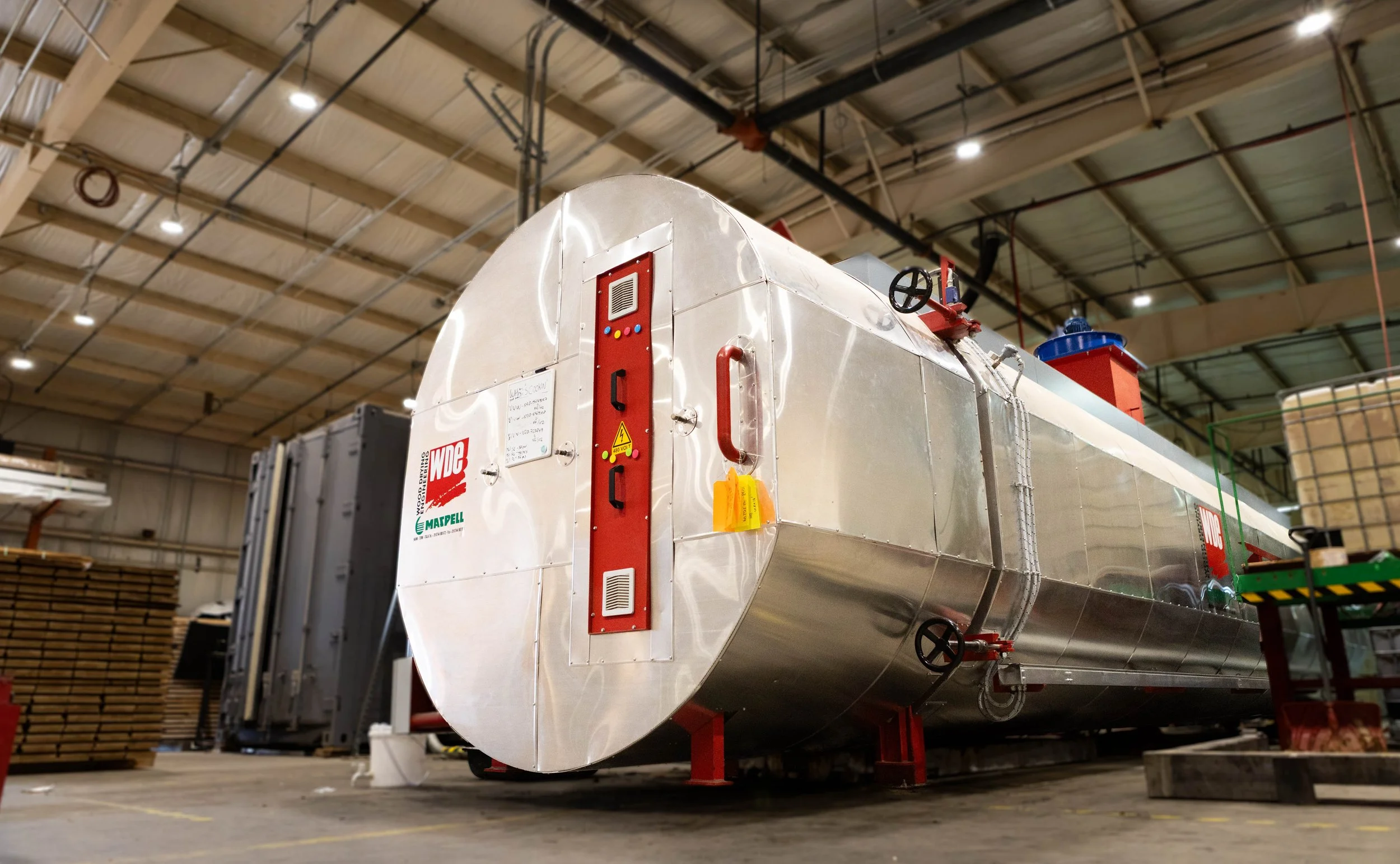
Thermal modification is a chemical-free process in which timber is placed in a Maspell kiln and gradually heated to 400°F, then slowly cooled over a three-day period.
This controlled treatment transforms the wood into a rich, chocolate-brown color while strengthening it from the inside out. By enhancing the wood’s cellular structure, thermal modification improves moisture resistance and provides natural protection against insects.
The result is a beautiful, durable, and high-performance timber suitable for a wide range of applications.
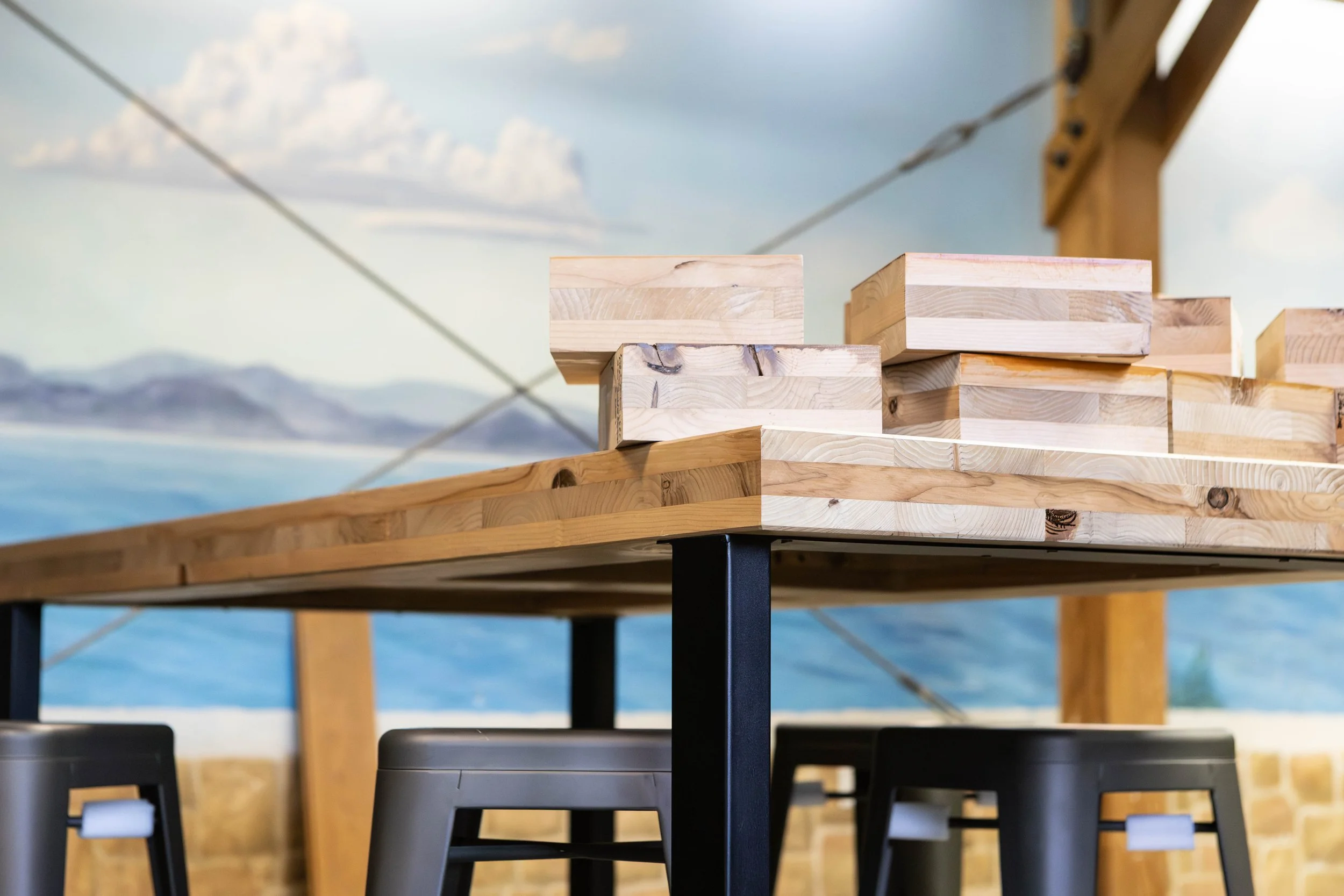
CROSS LAMINATED TIMBER (CLT)
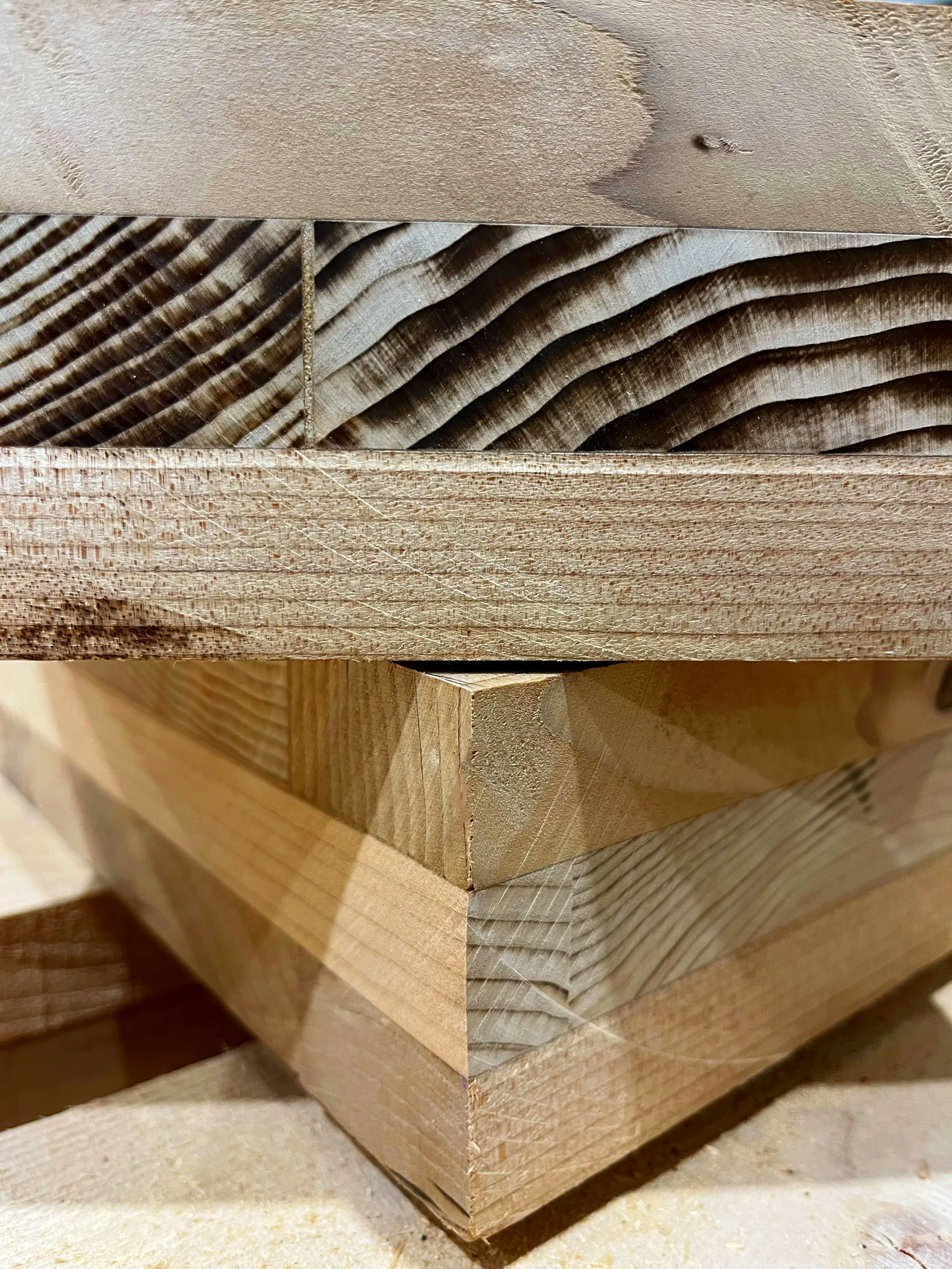
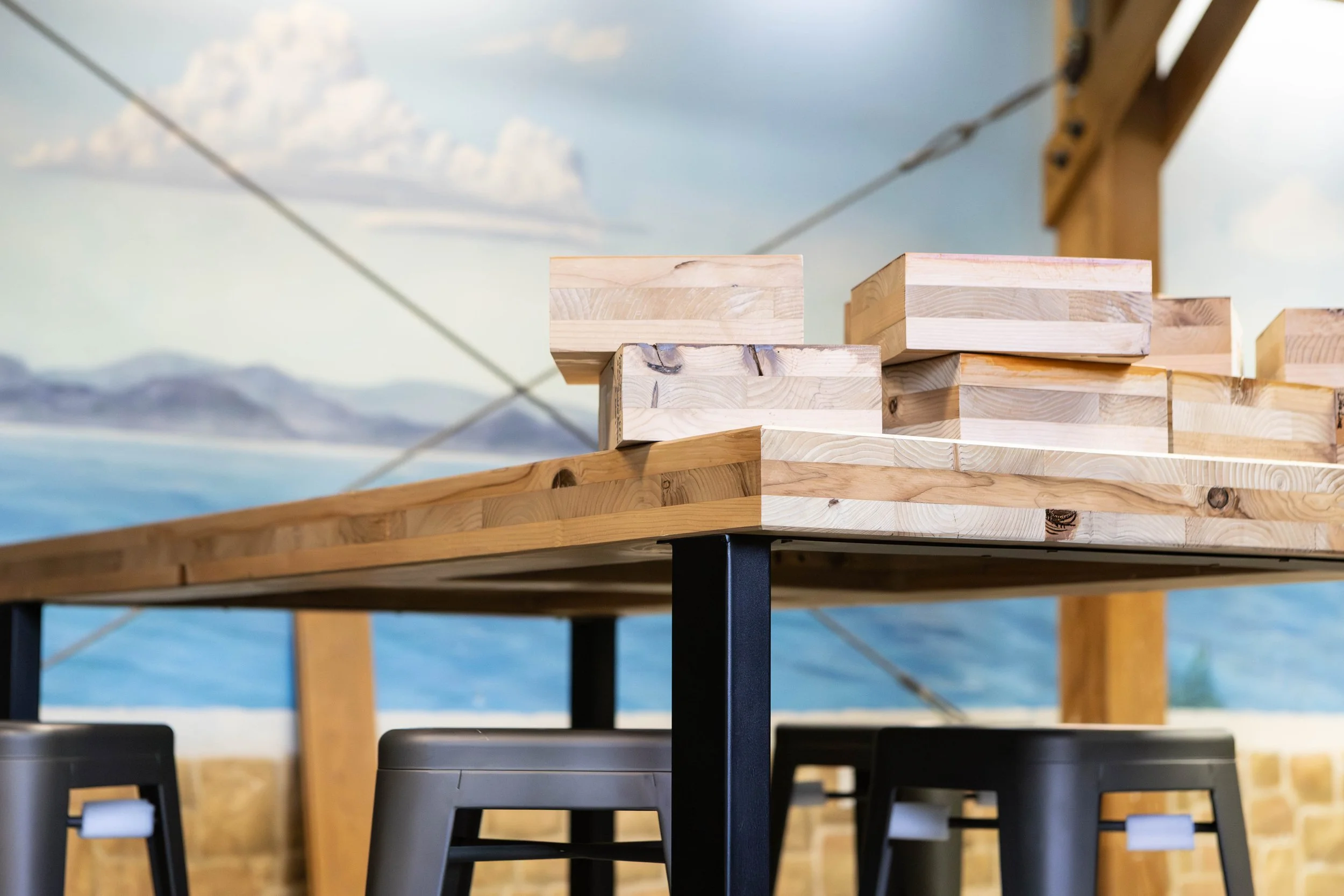
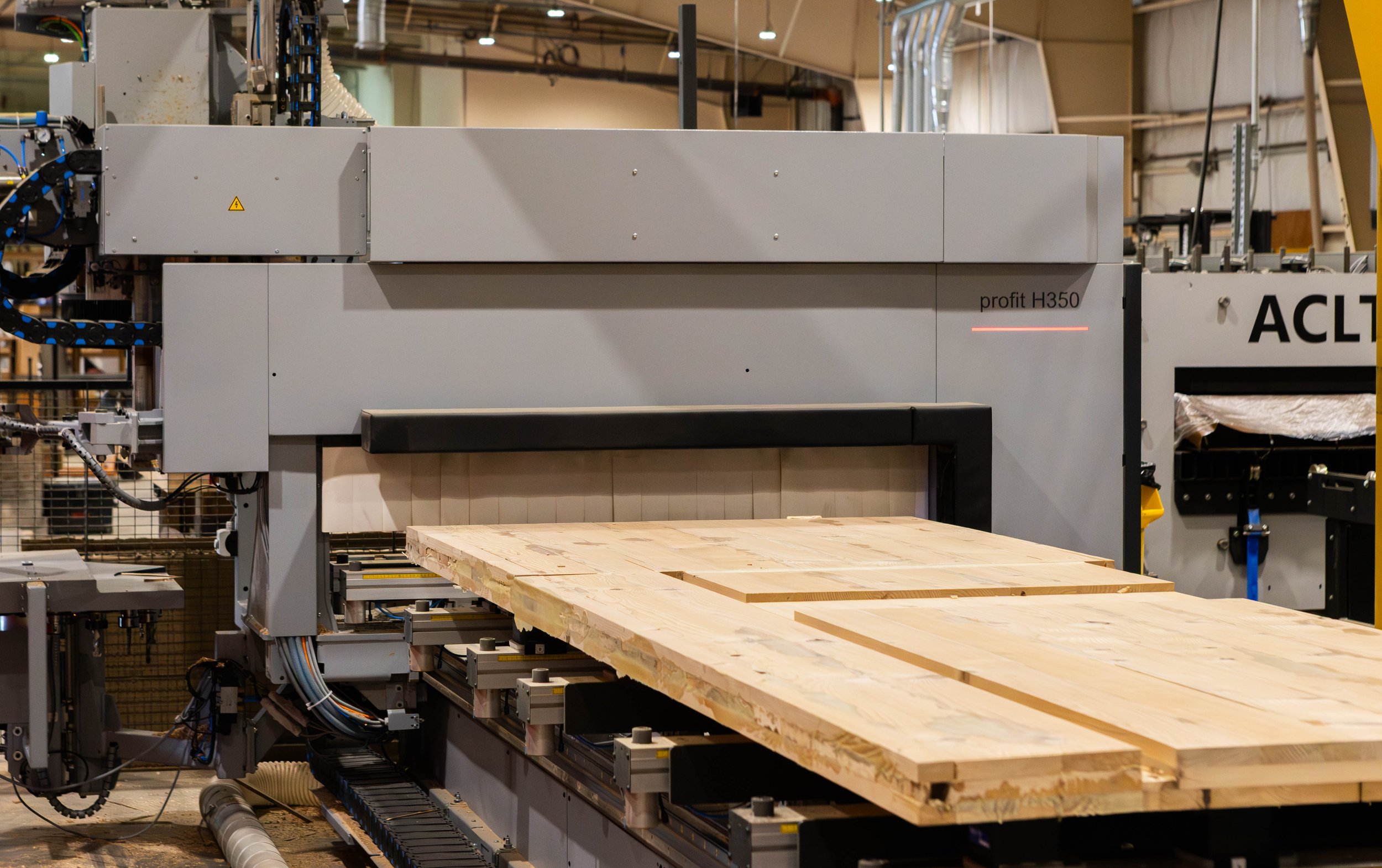
Cross-lamination is the process of layering wood panels in alternating grain directions to create a stronger, more durable structure. This method results in CLT panels approximately 3 inches thick.
By distributing stress more evenly across the surface, cross-lamination reduces the likelihood of weak points or splitting while improving overall dimensional stability.
For housing applications, CLT panels can reduce or eliminate the need for traditional stick framing. Because the panels are manufactured as large, structurally stable sections, they serve as both the structural system and the wall assembly.

WHERE IT ALL BEGAN
"It all began with a need. With the Makah tribe's housing crisis growing, there was an urgent need for cost-effective resources. However, with 80% of their forest consisting of Hemlock, which on its own is not structurally ideal for building, the tribe found themselves in a bind.
That’s when the CRTC began exploring ways to help the Makah get more value from the timber while using it to create homes. The idea of the sawmill emerged. The sawmill would process the Hemlock timber and, through thermal modification, enhance the wood for use in producing Advanced Cross-Laminated Timber (ACLT) panels. ACLT panels are strong, sustainable, and suitable for building housing.
This collaboration promises to deliver eco-friendly, affordable homes while creating new economic opportunities and workforce training for the tribe."